
You may think your child isn’t paying attention.
They are.
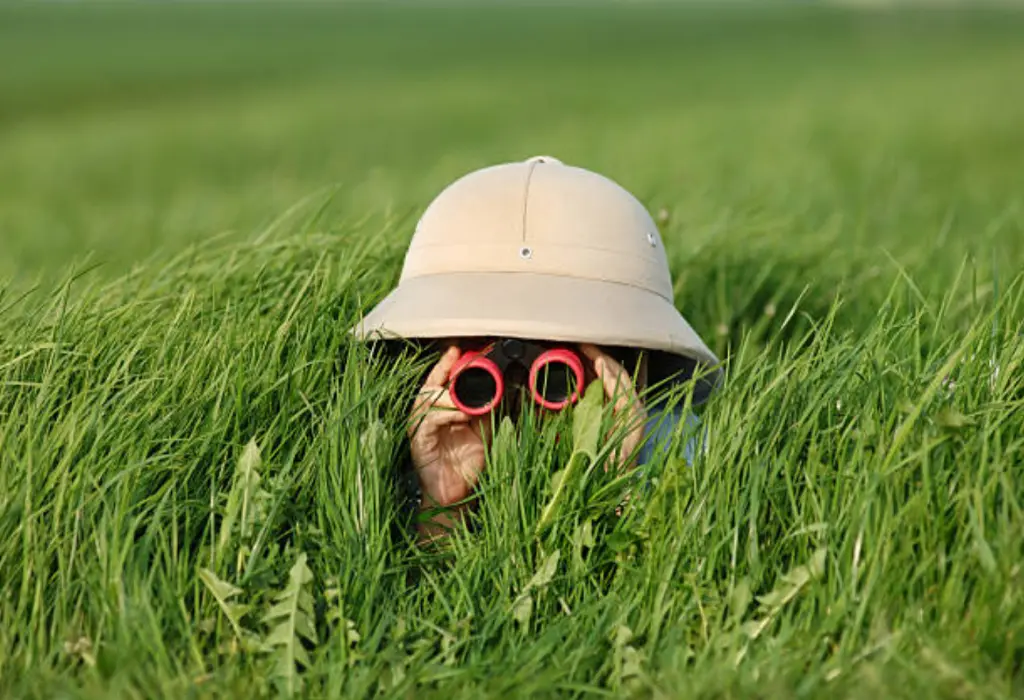
When you speak to someone at home, when you react to a difficult situation, when you get frustrated in traffic, when you sit down for a meal, or even when you quietly water a plant, there may be a little pair of eyes watching you.
Children are remarkably observant.
They don’t always understand everything they see, but they are constantly taking it in.
Children Learn From What We Do
We spend a lot of time telling children what they should do.
“Say thank you.”
“Don’t shout.”
“Eat properly.”
“Be kind.”
“Put your things away.”
But children don’t learn these behaviours only from our instructions. They learn them by watching what the adults around them actually do.
A child who sees a parent calmly solving a problem begins to understand what calm looks like.
A child who sees adults apologising after making a mistake learns that saying sorry is not a weakness.
A child who sees family members helping one another begins to understand cooperation.
And a child who regularly sees adults lose their temper may learn that this too is a normal way of responding.
Our actions often teach more than our words.
The Little Things Matter
Children don’t only observe the big moments.
They notice the little things too.
How you speak to the person serving you at a restaurant.
Whether you put your rubbish in the bin.
How you react when someone makes a mistake.
Whether you keep a promise.
How you talk about another person when they are not around.
Whether you put your phone away when someone is speaking to you.
These ordinary moments may seem insignificant to an adult.
To a child, they are examples of how people behave.
“But I Never Taught Them That!”
Parents are sometimes surprised when a child suddenly repeats a phrase or copies a particular behaviour.
“Where did you learn that?”
The answer may be closer than we think.
Children are natural imitators. They experiment with what they see and hear around them, sometimes without even realising that they are doing it.
This doesn’t mean parents need to behave perfectly all the time.
That would be impossible.
Children can also learn something valuable when they see an adult recognise a mistake, apologise, calm down, and try again.
In fact, perhaps one of the most powerful lessons a parent can give is:
“I made a mistake, and I can do better.”
What About Teachers?
Parents aren’t the only adults children watch.
Teachers become important figures in a child’s world, particularly during the early years.
Children observe how teachers speak, listen, respond to questions, handle mistakes, and treat other people.
This is one reason the relationship between parents and teachers matters.
Children benefit when the important adults in their lives communicate openly and work together, rather than placing the child in the middle of disagreements.
Parents and teachers don’t have to agree on everything.
But they should be able to talk, listen, and find a way forward that keeps the child’s wellbeing at the centre.
Before Correcting Your Child
There will be moments when your child’s behaviour needs to be corrected.
That’s part of growing up.
But before saying,
“Why are you behaving like this?”
it can sometimes be useful to pause and ask:
“Where might my child have seen this?”
The answer won’t always be us.
Children are influenced by friends, media, relatives, and the world around them too.
But sometimes, the answer will be closer to home than we expected.
And when it is, that isn’t a reason for guilt.
It is an opportunity.
We can change what we model.
We can show them how to respond differently.
We can become the example we want them to follow.
The Child Is Watching
Children don’t need perfect parents.
They need real adults who are willing to learn, reflect, apologise, and grow.
So the next time you notice your child copying something you do, don’t just think about whether they are behaving well or badly.
Take a moment to look at the bigger picture.
Because while we are busy teaching our children how to live,
they are quietly watching us live.
And perhaps that is one of the greatest responsibilities—and opportunities—of being a parent.